Second Product Line

Authorized SFTec® GFRP distributor for Alberta and Canada

CoresupplyX is an authorized distributor of SFTec® Fiberglass Reinforced Polymer Rebar (FRP).

Non-Corrosive

Lightweight

High Tensile Strength

GFRP rebar and fiberglass rebar
for corrosion-resistant concrete

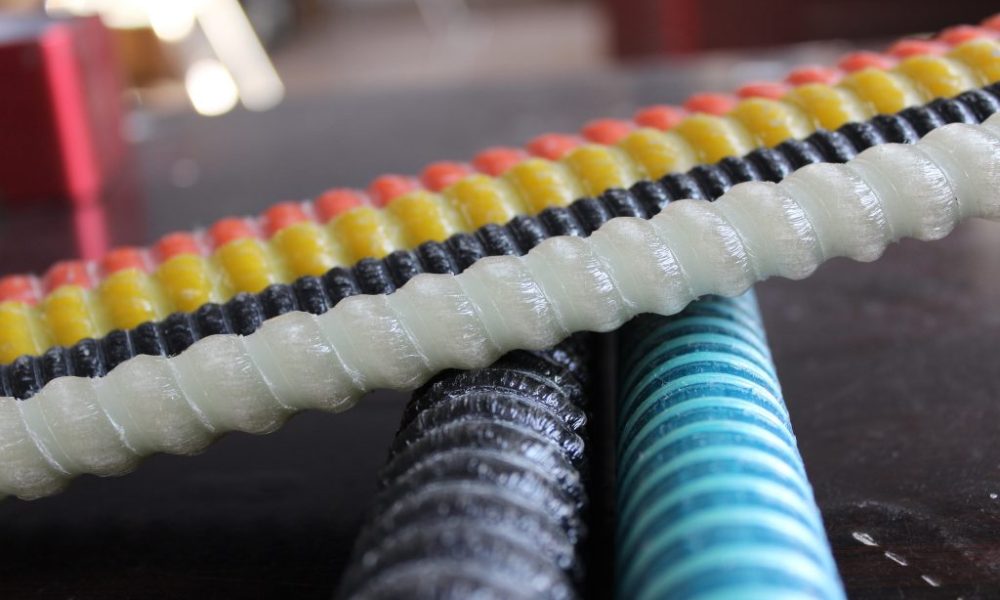
CoresupplyX is an authorized distributor of SFTec® FRP rebar . SFT-Bar® glass fiber reinforced polymer rebar is a non-corrosive, non-conductive, lightweight, reinforcement for structural and non-structural concrete. Specs match the manufacturer’s published data and ICC-ES evaluation ESR-5081.

Traditional steel reinforcement corrodes when chlorides from de-icing salt, marine air, or industrial exposure reach the bar. Expanding rust cracks and spalls the cover. GFRP rebar removes that failure mode. It is roughly one-quarter the weight of steel, carries high tensile load, and does not conduct electricity or interfere with magnetic fields.
FRP benefits

What FRP rebar does better.

Fiberglass rebar (GFRP / FRP rebar) is specified when the service environment, not the day-one invoice, controls the design. SFT-Bar advantages used by engineers and contractors include:

Will not corrode

No rust expansion from de-icing salts, seawater, wastewater, or industrial chemicals. This is the main reason GFRP rebar is adopted on bridge decks, barriers, marine structures, and parking slabs.

Weight

About 75% lighter than steel. One truck can move roughly the reinforcement volume of several steel loads. Site crews handle longer lengths with less injury exposure.

Tensile performance

High guaranteed tensile strength. Behaviour is linear-elastic to rupture; design must follow FRP provisions (lower modulus than steel, no yield plateau).

Electromagnetic neutrality

Required or preferred for MRI rooms, laboratories, rail, and electrical infrastructure.

Durability and cover

Long service life estimates in chloride environments (manufacturer materials cite conservative figures beyond 100 years). Reduced cover is sometimes possible, subject to the governing code and fire/durability checks.

Sustainability and freight

Lower mass reduces construction freight. SFTec comparisons report substantially lower production CO₂ than steel for SFT-Bar.

FRP Applications

SFT-Bar glass fiber reinforced polymer rebar is used wherever steel corrosion or conductivity drives maintenance cost.

  • Bridges, barriers, decks, and approach slabs: Chlorides from de-icing salt are the dominant durability problem; non-corrosive rebar extends service life.
  • Marine and waterfront structures: Piles, seawalls, wharves, and floating docks in saltwater.
  • Water and wastewater plants: Tanks, channels, and clarifiers exposed to moisture and chemicals.
  • Flatwork and parking structures: Slabs-on-grade and elevated decks with de-icing exposure; Grade I often used for non-structural temperature and shrinkage reinforcement.
  • Tunnels and soft-eyes: Non-magnetic, cuttable reinforcement for TBM break-out zones.
  • MRI suites, labs, and electrical rooms: Electromagnetically neutral bar.
  • ICF walls and residential foundations: Lightweight bar that does not corrode in soil.
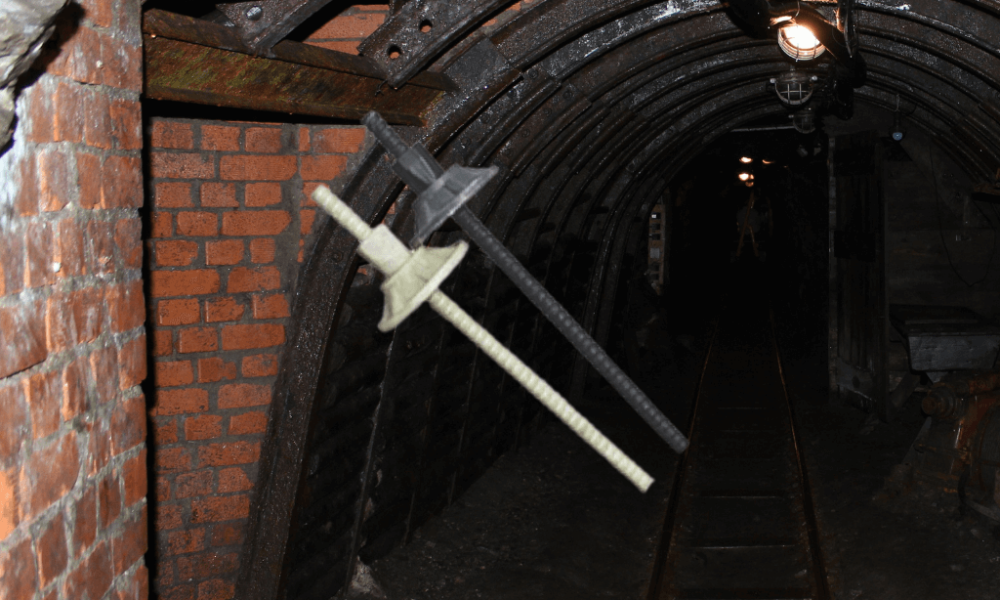
  • Mining and civil ground support: SFT-RockBolt for pre-grouted holes.

Hybrid designs (GFRP with steel) are sometimes used where ductility demands in high seismic zones exceed all-FRP solutions. Confirm with the engineer of record.

Products

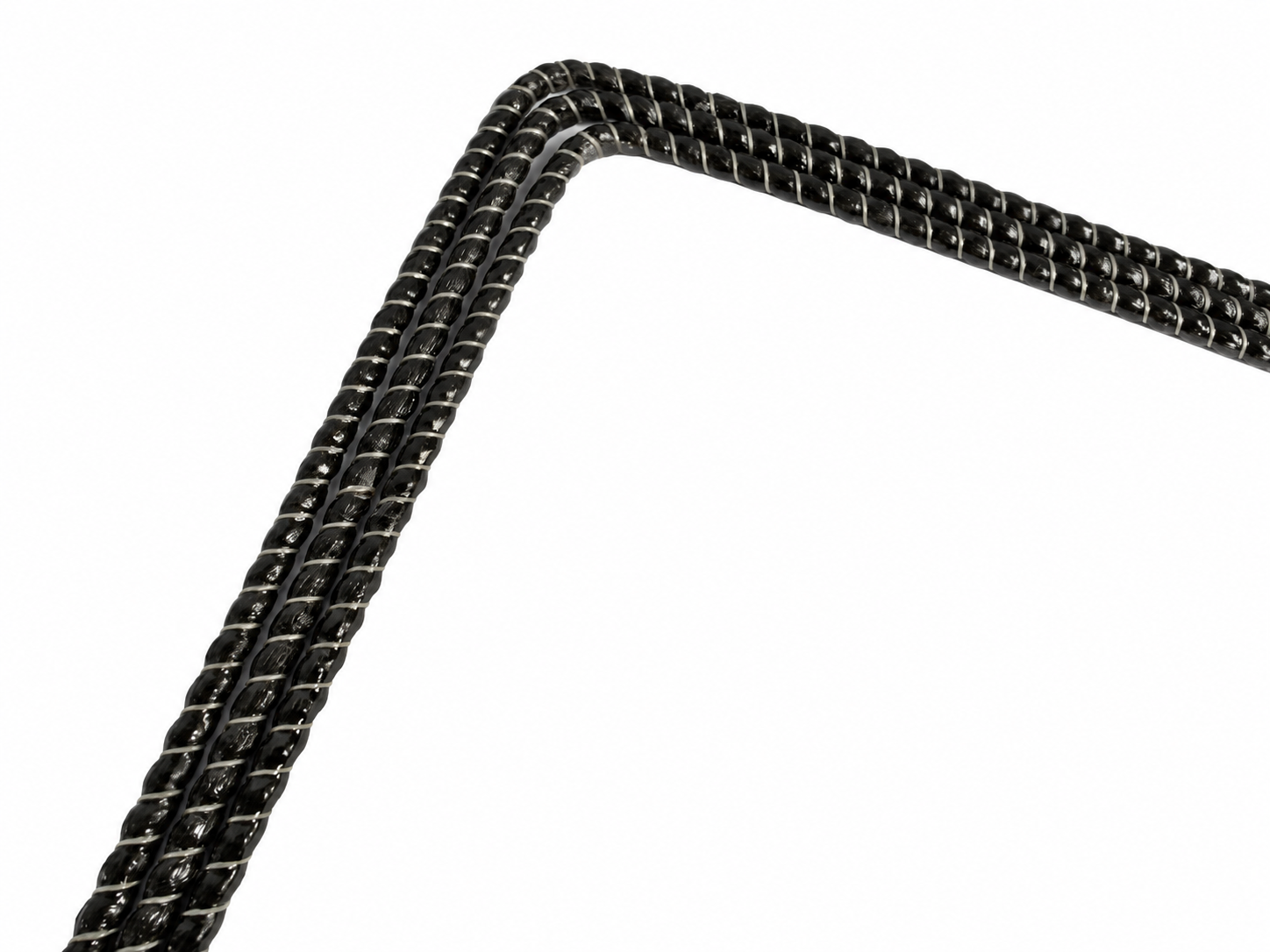
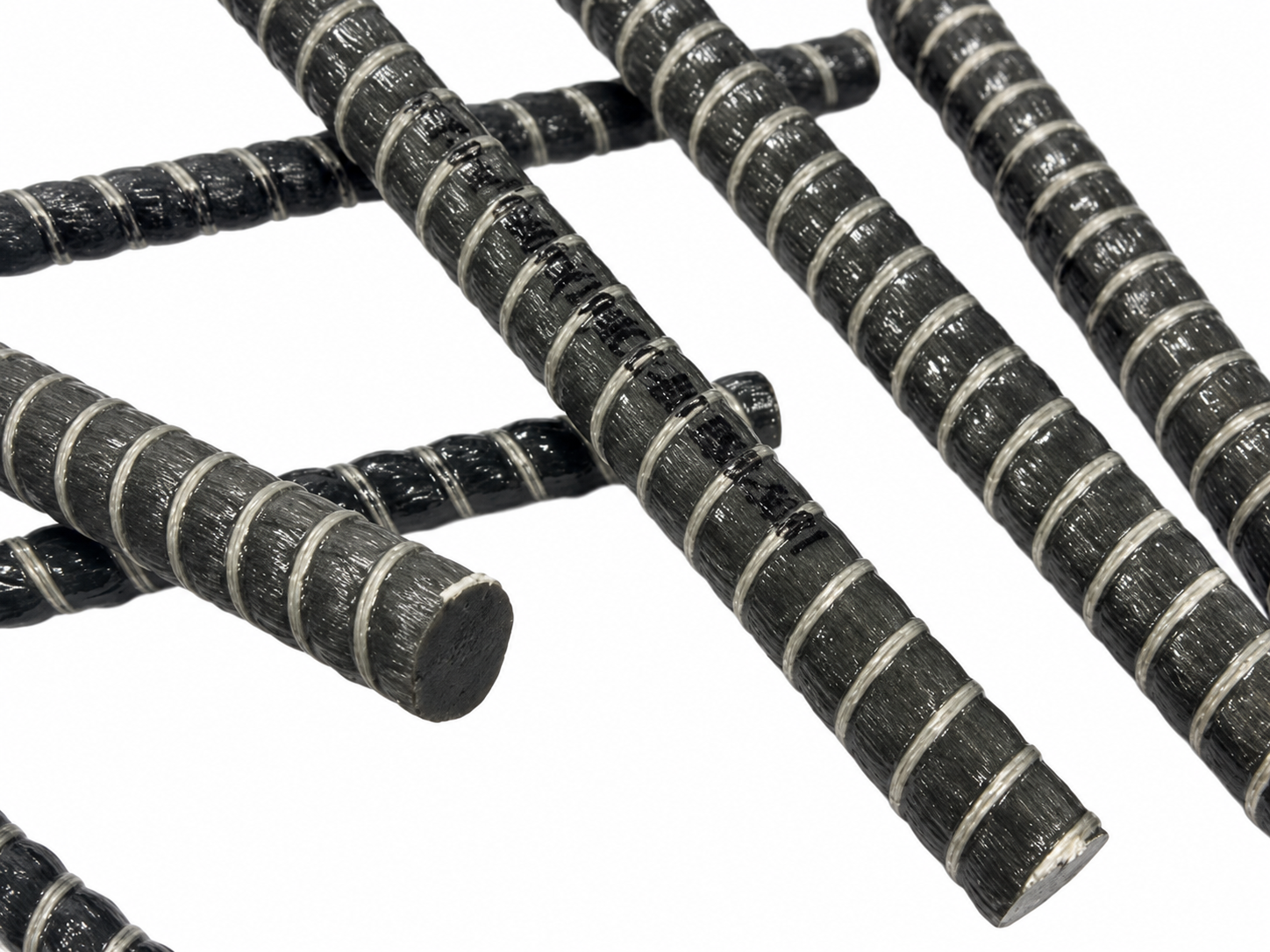
SFT-Bar®

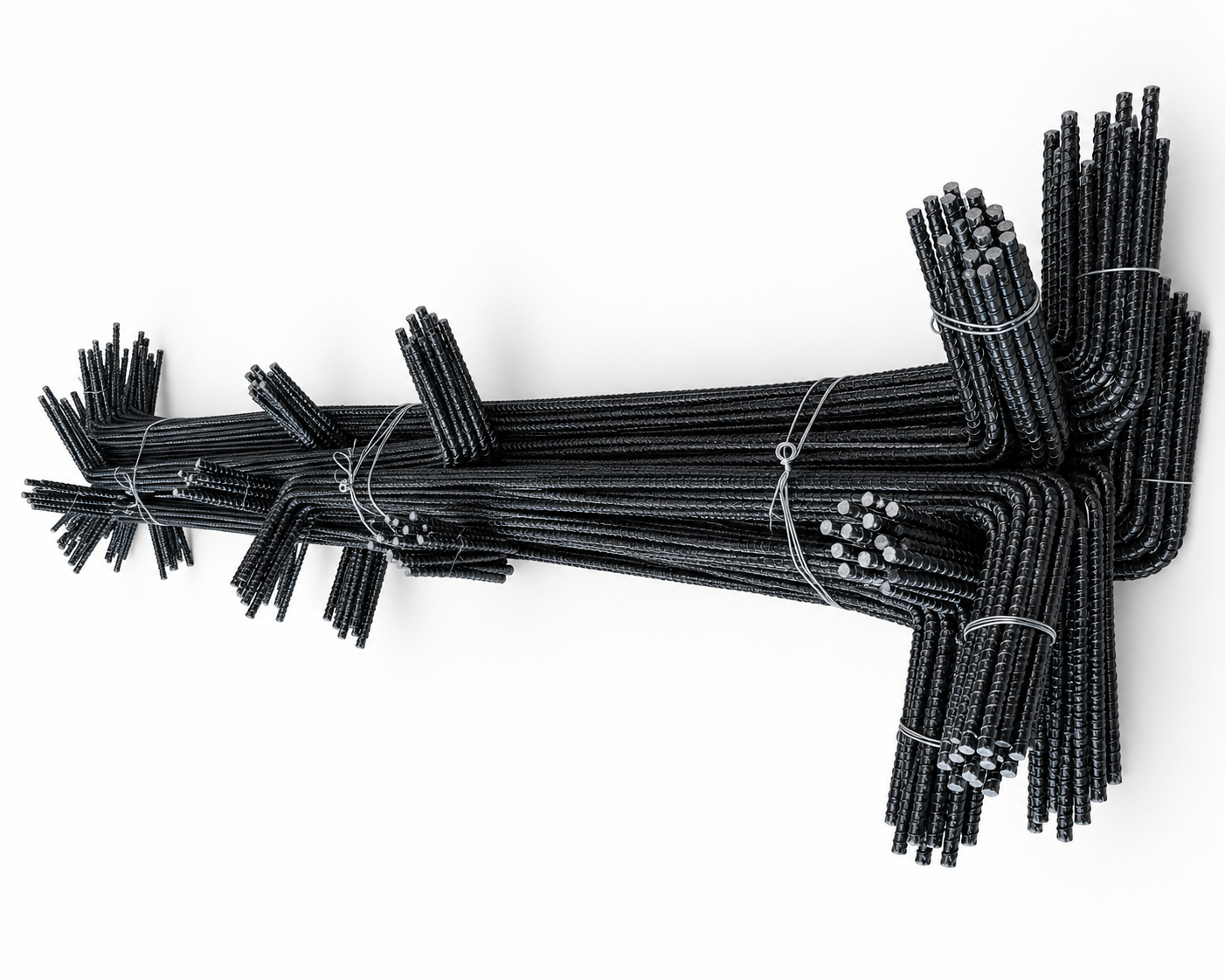
Straight bar, factory bends, ties, and spirals for bridges, decks, slabs, barriers, marine work, and flatwork

SFT-Connector

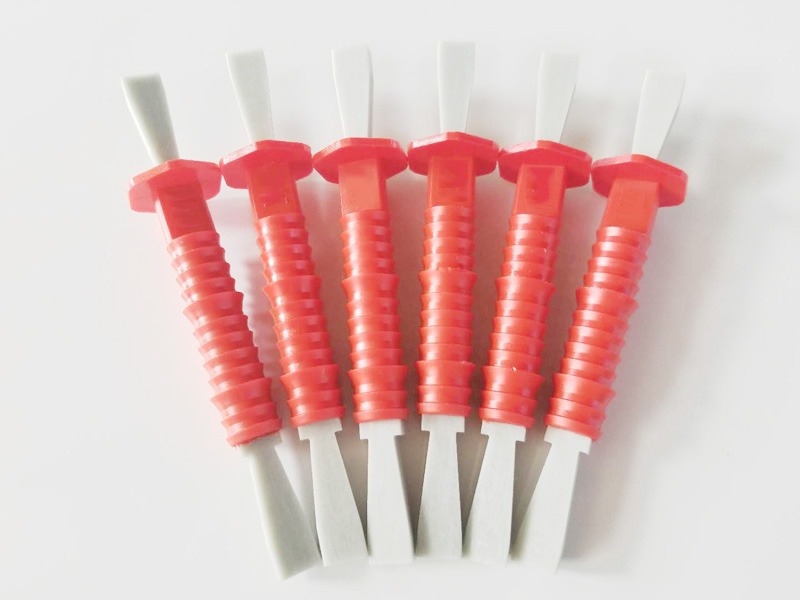
GFRP shear connector for ICF walls, insulated sandwich panels, precast, and tilt-up. Threaded and flat types, 10 mm, custom lengths, non-corrosive

SFT-RockBolt

GFRP rock bolt for pre-grouted holes and ground support where corrosion-free, cuttable reinforcement is required

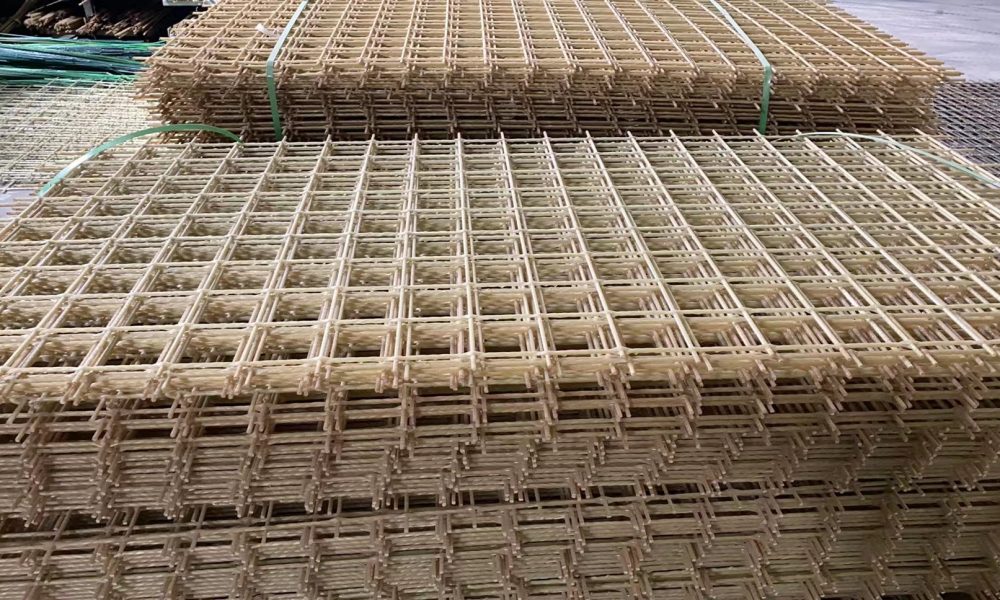
SFT-Mesh

SFT-Bar Mesh GFRP grid for structure strengthening, and SFT-ARMesh alkali-resistant mesh for external concrete wall surfaces